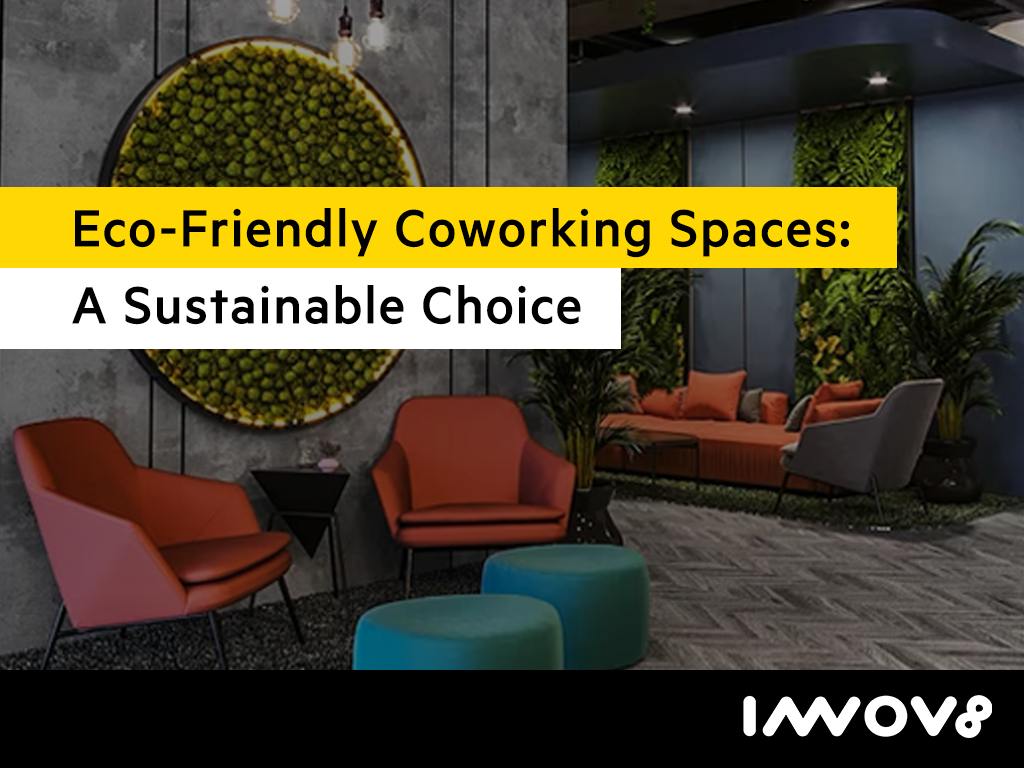
Eco-friendly coworking spaces are shared workspaces designed to reduce environmental impact while providing a comfortable and productive place to work. From energy-efficient lighting and water-saving systems to sustainable materials, waste management and access to public transport, these spaces combine everyday coworking with environmentally responsible practices.
A sustainable coworking space can benefit both businesses and professionals by reducing resource consumption, creating healthier working environments and supporting more responsible ways of working. But what actually makes a coworking space sustainable, and which eco-friendly workspace solutions have the greatest impact?
What Are Eco-Friendly Coworking Spaces?
An eco-friendly coworking space is a shared office designed and operated with environmental sustainability in mind. Unlike a conventional office that may focus primarily on occupancy and convenience, a green coworking space considers how the building uses energy, water and materials and how its members travel to and from work.
Sustainable coworking can involve energy-efficient lighting and appliances, renewable energy, responsible waste management, water-saving fixtures, sustainable furniture, natural lighting and improved indoor air quality.
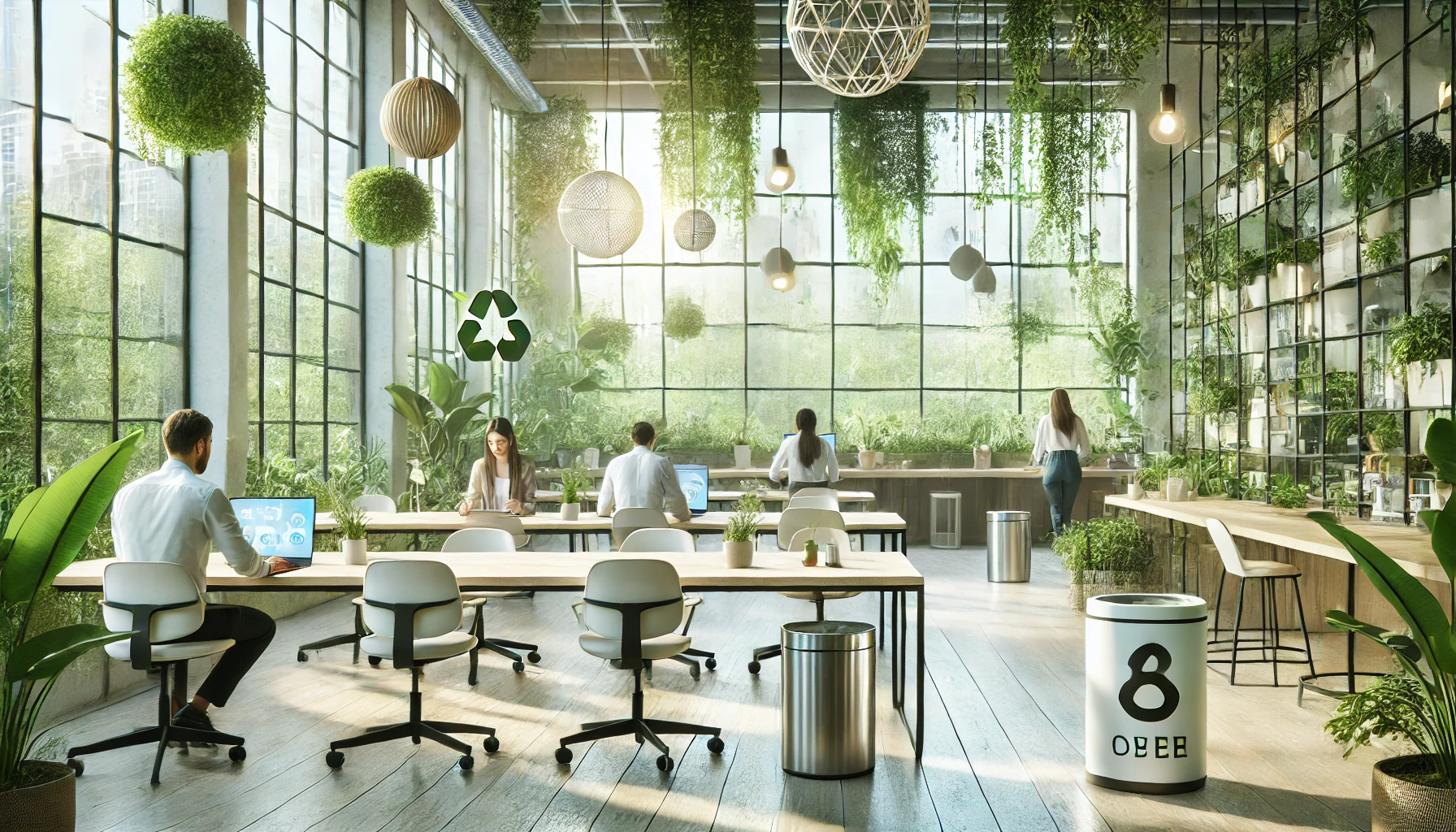
Sustainability can also influence the design of the workspace. Features such as green plants, biophilic interiors, natural ventilation and access to daylight can make the workplace more comfortable while supporting a healthier working environment.
What Makes a Coworking Space Sustainable?
| Sustainable feature | How it helps |
|---|---|
| Energy-efficient lighting | Reduces electricity consumption |
| Renewable energy | Can reduce reliance on fossil-fuel-based electricity |
| Natural lighting | Reduces the need for artificial lighting |
| Water-saving fixtures | Reduces water consumption |
| Recycling & waste segregation | Helps reduce landfill waste |
| Sustainable materials | Reduces reliance on virgin resources |
| Indoor plants & biophilic design | Creates a more nature-oriented workspace |
| Smart building systems | Helps monitor and optimise energy use |
| Public transport access | Can reduce commuting-related emissions |
| Reusable workplace products | Helps reduce single-use waste |
Benefits of Sustainable Coworking Spaces
Sustainable coworking spaces combine environmentally responsible practices with a healthier and more efficient workplace. Key benefits include:
- Reduced Environmental Impact: Energy-efficient systems, renewable energy, recycling and responsible resource use can help reduce waste and lower the environmental impact of coworking spaces.
- Healthier Work Environment: Good ventilation, natural light, low-toxicity materials and comfortable indoor conditions can contribute to better air quality and a healthier workspace.
- Resource Conservation: Water-saving fixtures, energy-efficient equipment and sustainable materials help coworking spaces use resources more responsibly.
- Lower Operating Costs: Energy-efficient lighting, heating, cooling and water systems can reduce utility consumption and maintenance costs over time.
- Better Employee Experience: Comfortable temperatures, good lighting and improved air quality can create a more pleasant working environment and support employee satisfaction and productivity.
- Stronger Corporate Image: Businesses that choose sustainable workspaces can demonstrate their commitment to environmental responsibility and appeal to clients and employees who value sustainability.
Eco-Friendly Workspace Solutions
Energy Solutions
- LED lighting
- occupancy sensors
- smart thermostats
- energy-efficient HVAC
- renewable energy where feasible
- energy monitoring
Water Solutions
- low-flow taps
- dual-flush toilets
- water-efficient fixtures
- rainwater/greywater systems where appropriate
Waste Solutions
- waste segregation
- recycling
- composting
- reducing single-use products
- reusable kitchenware
Interior Solutions
- recycled/reclaimed materials
- sustainable furniture
- low-emission materials
- natural lighting
- biophilic design
Key Features of a Green Coworking Space
Some key features of the eco-friendly workspaces are:
- Energy Efficiency: Energy efficiency, such as energy-efficient appliances, lighting, and air conditioning systems, is one distinguishable characteristic of eco-friendly offices. They might also pursue the use of smart technologies to control and regulate the amount of energy. Smart thermostats, among other smart home devices, can learn if individuals are present in the house and adjust the temperature accordingly, thus saving more energy.
- Water Conservation: Adopting measures like using body shower heads, aerators or flow reducers on taps, and low flush toilets to reduce the use of water. Some spaces also employ greywater systems to reuse water for purposes other than the consumption of water.
- Materials Used in Sustainable Workspaces: Reclaimed, recycled, or sustainable materials for construction and interior design are the major characteristics of green coworking facilities. This cuts the demand for new resources and also reduces wastage.
- Indoor Air Quality: These sustainable workspaces should be healthy indoors, and air quality should be kept optimum. This can involve the utilisation of air cleaners, house plants, and all those systems that help to introduce fresh air into the closed rooms. Not only do plants act as antithetical to pollution since they take in carbon dioxide hence producing fresh air, but they also bring in the feeling of nature within workplaces.
- Waste Management: Other sustainable practices, such as reusing, recycling, and composting, are critical in this type of space. The actuality of the barriers and adequate signs help the users sort their waste in the right manner.
How Coworking Spaces Can Support Sustainable Commuting
- proximity to metro/public transport
- walking
- cycling
- shared mobility
- carpooling
- reducing long commutes
- centrally located coworking hubs
Contributions to Eco-Friendly Coworking Spaces to Sustainability
Ecological coworking spaces influence sustainability. These spaces can help us be more sustainable by saving energy and water and maximising the amount of waste produced. They also fulfil a dignitary role, showing other organisations that it is possible to have productivity and sustainability in organisations.
Also, these sustainable workspaces depend mostly on densely populated areas in cities with easy access to public transportation, cycling, and walking. This reduces the negative effects of travelling to work and helps establish well-planned cities and very environmentally friendly offices.
Smart Technology for Sustainable Workspaces
Technology can help sustainable workspaces reduce energy consumption and use resources more efficiently. Smart systems can automatically respond to occupancy, temperature and workspace usage.
- Occupancy sensors: Detect when rooms or areas are being used and can automatically control lighting and cooling when spaces are empty.
- Smart lighting: LED lights, daylight sensors and automated controls help reduce unnecessary electricity use.
- HVAC controls: Smart heating, ventilation and air conditioning systems adjust according to occupancy and indoor conditions.
- Energy monitoring: Real-time energy data helps operators identify high consumption and improve efficiency.
- Building management systems: Centralised systems can monitor and manage lighting, HVAC and other building services.
- Automated temperature control: Sensors can adjust temperatures based on occupancy and time of day, balancing comfort with energy efficiency.
- Digital room booking: Booking systems help track how meeting rooms and shared spaces are used, allowing operators to optimise workspace utilisation.
Together, these technologies can make eco-friendly coworking spaces more efficient, comfortable and sustainable.
How to Choose an Eco-Friendly Coworking Space
- Check the building’s energy use
- Look for waste-management practices
- Ask about renewable energy
- Check indoor air quality and ventilation
- Look for sustainable materials
- Consider public transport access
- Check whether sustainability claims are specific
Community Engagement and Education
Many sustainable coworking spaces incorporate their communities into the sustainability process, conducting programs like workshops and seminars in areas like recycling, energy conservation, and sustainable living. By raising awareness, such places enable members to make environmentally conscious decisions in the workplace and in their personal lives.
Moreover, some coworkers partner with local environmental groups to activate environmental projects as part of the community. This could include organising cleaning activities, planting trees, or any other activities that could improve the locality’s environment.
Green Coworking Spaces Examples
Out of several examples, one of the most prominent names in the green co-working industry is Innov8 Coworking. Below are some features of Innov8 shared office spaces, which help us foster futuristic work environments:
- Workflo Ranka Junction, Kr Puram, Orr: Bangalore’s coworking space, Workflo, has 100 flexible seats. Some facilities include on-site staff, cleaning, fresh coffee, a lift, common rooms, air conditioning, internet, and CCTV. The prices for private offices range between ₹7,499 and ₹5,499 per month, and optimised desks cost ₹5,499 per month.
- Workflo Umiya Emporium, Koramangala: This central Bangalore commercial space has over 700 seats. Facilities include onsite staff, cleaning services, micro-roasting, a lift, specific common areas, air conditioning, fast internet, CCTV, etc. Private cabins, dedicated desks, meeting rooms, and event space with monthly rent start at ₹7,399.
- Innov8 Mantri Commercio, Bellandur Orr: Innov8 Mantri, in Bangalore, has 406 seats and some add-on services. These include on-site staff, cleaning, coffee, 24/7 access, AC, fast internet, and CCTV. The rent of meeting rooms starts at ₹500 per hour, and event spaces starting at₹5,000 per hour.
Innov8 invites you to experience our eco-friendly coworking spaces spread across 10 cities across India. Join us to work smarter, greener, and more efficiently!
Conclusion
Sustainable coworking environments have a vast list of advantages that range from diminishing pollution to healing the workplace. Therefore, sustainable office design and the adoption of various eco-friendly office solutions play a significant role in promoting environmental responsibility.
These green workplaces not only serve an exemplary function for other companies but also contribute to the education of the inhabitants about environmental issues. The presented coworking spaces promote the idea that everyone can work in comfortable conditions and enjoy his work, making business sustainable at the same time.