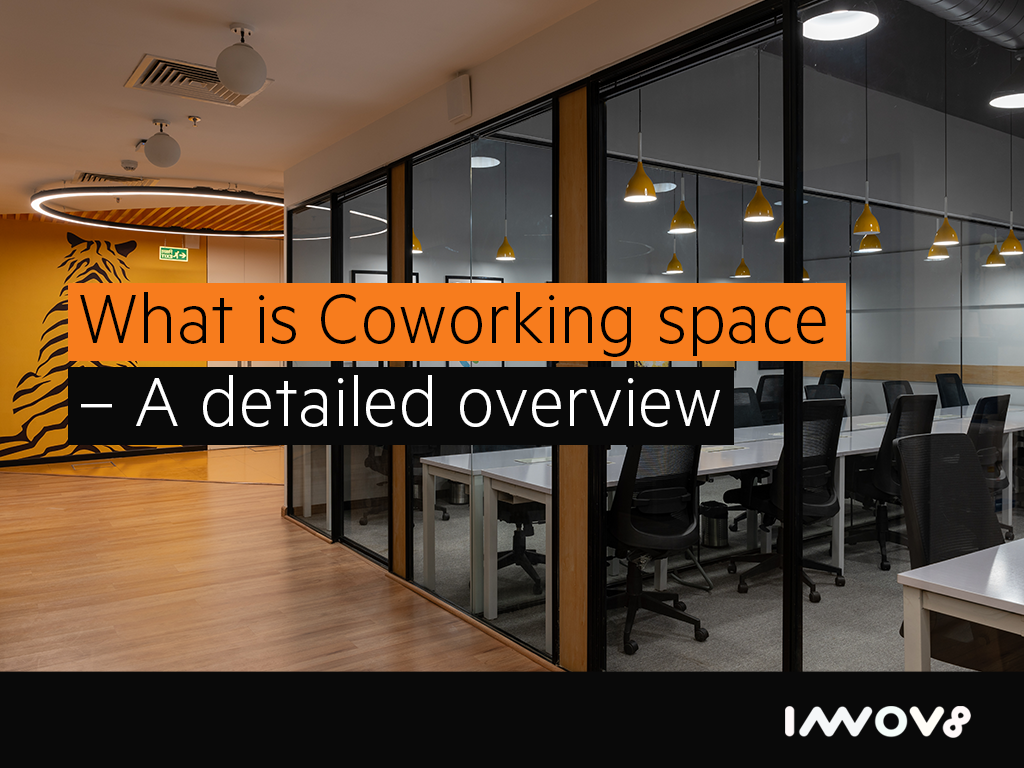
The concept of a workplace is continuously transforming. Where traditional offices and rigid cubicles were once the norm, today’s work culture leans more toward collaborative environments that are flexible, inclusive, and dynamic. One trend that has been steadily gaining popularity is that of a co-working space. But what is a co-working space, and why is it generating so much buzz?
Imagine individuals from different companies, backgrounds, and industries gathering in a single shared space to work together. That’s the essence of co-working. People can collaborate in groups based on shared interests or work independently.
One reason this trend is on the rise is that co-working spaces stand in stark contrast to isolated cubicles that leave little to no room for creative discussions. These spaces cultivate productivity, creativity, and a sense of community where entrepreneurs, self-employed professionals, employees, and freelancers can connect and create.
Let us dive deeper into this evolving workspace culture and understand why coworking is shaping the future of how we work.
Key Features
The word ‘co-working’ makes it easy to assume that co-working spaces are simply shared desks where individuals work side by side. However, it is so much more than that—it is a whole community, an ecosystem that thrives on productivity and engagement. Below are some features that make a co-office stand out:
-
Amenities
One of the standout features of co-working space companies is their ability to provide an inclusive environment without sacrificing professional amenities. These co-offices come fully equipped with essentials found in traditional workplaces: high-speed Wi-Fi, ergonomic furniture, printing and scanning facilities, dedicated meeting rooms, and even casual spaces to grab coffee with colleagues.
Additionally, many co-working spaces offer premium perks such as break rooms, napping areas, and cafeterias to enhance comfort and convenience for members.
-
Memberships
Being a member of a co-working space comes with a diverse range of perks. Most memberships are highly flexible and often accommodate different work needs. For instance, teams can opt for dedicated membership plans that provide multiple reserved desks for collaboration. Meanwhile, freelancers and independent professionals may prefer hot desk plans for a more flexible setup.
These membership options are a budget-friendly solution for those seeking a long-term workspace. Alternatively, for those who need occasional access, many co-working spaces also offer daily passes for added convenience.
-
Events and Engagement
When you co-work with diverse teams, professionals, and individuals with varying experiences, community engagement and interactions become second nature. A co-working space is for everyone looking to connect with like-minded individuals. Members regularly attend events, host workshops, and participate in panel discussions, leading to an atmosphere brimming with creativity.
Additionally, co-working space companies often organize recreational activities such as group outings, holiday parties, and team-building games to enhance employee satisfaction and encourage networking.
Target Users
Co-working spaces attract individuals seeking flexibility in their work environment while maintaining a professional setting. They provide an alternative to the mundane and monotonous office culture while enhancing productivity and collaboration.
-
Freelancers
Freelancers are among the primary users of co-working spaces. Remote workers are drawn to what they lack while working privately or from home: social interaction and a sense of community. Co-working spaces offer freelancers and solopreneurs a professional workspace with essential amenities to eliminate the isolation that comes with remote work.
-
Startups
Small businesses and startups find co-working spaces highly beneficial. Due to budget constraints in the early growth stages, many startups seek a strong IT infrastructure without committing to long-term leases. Co-working membership plans provide an affordable solution, allowing startups to rent a workspace every month while accessing premium office features.
-
Digital Nomads
Individuals who travel frequently often struggle with finding consistent, work-friendly environments. Cafes and hotel rooms may lack reliable Wi-Fi, power outlets, or a working atmosphere needed to focus. Co-working spaces solve these issues by offering all these amenities: stable internet, comfortable workstations, and a quiet setting. For many travelers, co-working spaces also provide a sense of stability and familiarity in new cities.
Benefits of Co-working Spaces
-
Flexibility
Co-working spaces are not restricted by fixed schedules; instead, they allow individuals to come and go as they please. This flexibility enhances employee autonomy, giving them the freedom to work for as long as they choose and take extended breaks when needed. Members can also select between hot desks for independent work or dedicated desks for team collaborations.
-
Enhanced Social Connectivity
Working alone for extended periods can lead to feelings of isolation, especially for freelancers and remote workers. Coworking spaces help create a sense of belonging by bringing together individuals from diverse industries in a shared environment. Through casual conversations, group collaborations, and community events, members can interact, exchange ideas, and create professional relationships, reducing the loneliness often associated with independent work.
A study by Coworking Resources found that 89% of coworkers feel happier due to these social interactions, reinforcing the positive impact of a connected work environment.
-
Cost-effective
Understanding the coworking space meaning and benefits goes beyond shared office spaces—it is also about affordability. When individuals co-work, they eliminate the high costs of furnishing private offices with equipment and furniture. Meanwhile, by utilizing the well-equipped amenities present in co-offices, businesses can cut down on the expenses required to set up a private workspace.
-
Enhanced Productivity and Motivation
Being in a community where you see everyone working naturally creates an environment that increases motivation. The dynamic and social setting keeps individuals engaged while exposing them to different perspectives, leading to creative ideas.
In co-working spaces, members are naturally driven to stay productive without dealing with boredom or rigid office rules that may restrict them. This ultimately enhances employee satisfaction.
-
Access to Multiple Perks
Co-working companies provide numerous amenities, keeping workers’ best interests in mind. From dedicated meeting rooms and event spaces to coffee lounges and recreational areas, these spaces offer plenty of options for relaxation and rejuvenation. Some co-working spaces go even further by incorporating wellness programs and meditation rooms to support overall well-being.
The Future of Co-working Spaces
While the demand for flexible working spaces has always existed, the rise of co-working spaces and the shift toward flexible work culture saw a major boost after the COVID-19 pandemic. It is safe to say that co-working spaces have a bright future, as they align with the increasing focus on employee well-being and work-life balance.
More businesses, startups, and freelancers are choosing co-offices over traditional long-term leases due to their cost-effectiveness and adaptability. A study showed that the co-working industry is projected to reach $30 billion by 2026 (MarketWatch).
- Niche Spaces: A growing trend in the industry is the rise of niche co-working spaces, which cater to specific professionals like artists, healthcare workers, and tech startups. These specialized workspaces allow like-minded individuals to collaborate in an environment that minimizes distractions from unrelated industries.
- Sustainability: Another key trend is the focus on sustainability. As more people become eco-conscious, co-offices are adopting energy-efficient designs, incorporating indoor plants, and implementing recycling programs to create a greener work environment. Many co-working companies are also shifting toward paperless operations and sustainable business practices.
- AI-driven Spaces: Technology will also play a major role in the future of co-offices with the rise of AI-driven co-working spaces. Smart security systems, workspace management, and advanced digital infrastructure are enhancing the coworking meaning by making these spaces more efficient and convenient for professionals.
With these evolving trends, co-working spaces will remain an important part of the modern work culture, offering flexibility, sustainability, and innovation for workers across various industries.
Conclusion
Given the many benefits and promising future of co-working spaces, it is clear that they represent a major shift in work culture that values flexibility, creativity, and community. Freed from the constraints of traditional offices, professionals have realized they no longer need to be tied to a single workspace. With autonomy leading the way, co-working spaces are reshaping how people perceive work, proving that productivity can thrive beyond the confines of a fixed desk.
Explore the benefits of coworking spaces! Learn how Innov8’s flexible coworking solutions can help you thrive in a collaborative environment.
FAQ
1. What is a coworking space?
A coworking space is a shared workspace where freelancers, startups, professionals, and businesses can work in a flexible and professional environment.
2. How does a coworking space work?
Coworking spaces offer flexible plans such as hot desks, dedicated desks, private offices, and meeting rooms, usually with access to shared amenities and facilities.
3. Who can use a coworking space?
Coworking spaces are suitable for freelancers, remote workers, startups, SMEs, entrepreneurs, and companies looking for flexible workspace options.
4. What are the benefits of using a coworking space?
Key benefits include flexible plans, lower office setup costs, professional amenities, networking opportunities, meeting rooms, and a productive work environment.
5. Is a coworking space better than a traditional office?
For businesses that value flexibility and lower setup costs, coworking spaces can be a practical alternative to traditional offices. The right choice depends on team size, budget, and workspace requirements.